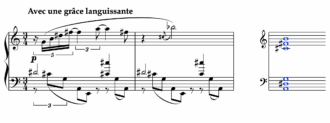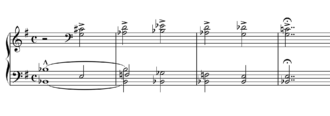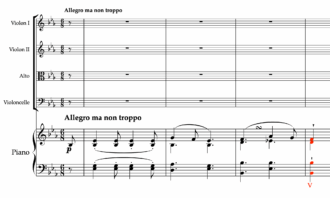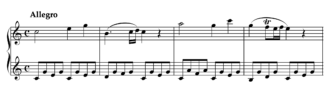
In the context of music theory teaching, the treatment of dissonance is a recurring element of both harmony and counterpoint. Derived from Figurenlehre, the term transgression refers to an upward 2–3 consecutive interval in which the existing rules of dissonances result in a constant crossing of the two voices. While the original figure is shown only in two-voice leading, treatises written after 1719 add a bass line that provides information about several possible harmonisations. What makes the figure particularly appealing is its appearance in compositions from the 17th all the way to the 20th century. The text explains the background of the figure, gives examples, and lists the advantages of its use in music theory classes.