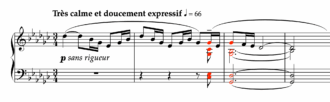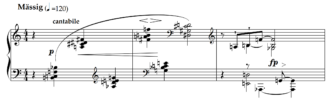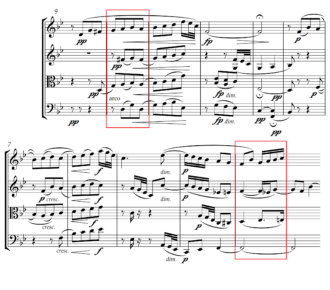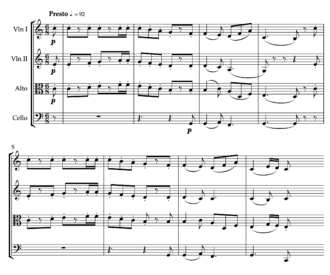
One of the most exciting chapters in music history is the turn of the 20th century: Different styles develop in parallel, influence and criticize each other, until finally each composer himself invents the “keynote” for his music (Wolfgang Rihm).
Christoph Wünsch explains the central compositional techniques using over 300 music examples. The book opens up such diverse approaches and conveys the tools for one’s own analysis, research and composition.
Violin Virtuosity in a Variation Form: Nicolò Paganini, Caprice Op. 1, No. 24
Source(s) of analysis: Score Musical work: Caprice Op. 1 No. 24 Year of creation: 1802–1817 Composer's name: Nicolò Paganini Methods of analysis: Conventional / Traditional analysis
Target Group / Study LevelLevel of music analysis knowledge: Beginner
Study cycle: Bachelor
Read more