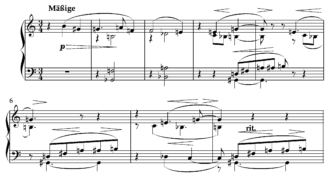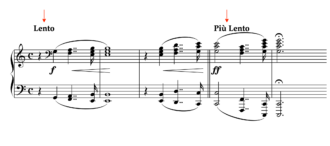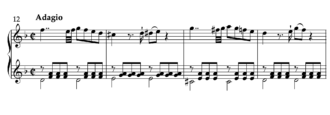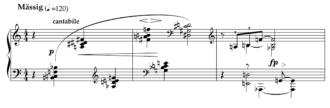
This book is a unique attempt to systematize the latest research on all that music connotes. Musicological reflections on expressive content have been pursued for some decades now, in spite of the formalist prejudices that can still hinder musicians and music lovers. The author organizes this body of research so that both professionals and everyday listeners can benefit from it – in plain English, but without giving up the level of depth required by the subject matter. Two criteria have guided his choice among the many ways to speak about musical meaning: its relevance to performance, and its suitability to the teaching context.
The legacy of the so-called art music, without an interpretative approach that links ancient traditions to our present, runs the risk of missing the link to the new generations of musicians and listeners. Completenting the theoretical, systematic content, each chapter includes a wealth of examples, including so-called popular music.
Principles of Rondo Form Analysis: Ludwig van Beethoven’s Piano Sonata Op. 13, 2nd movement
Source(s) of analysis: Score Musical work: Piano Sonata No. 8 Op. 13 (2nd movement) Year of creation: 1798 Composer's name: Ludvig van Beethoven Methods of analysis: Conventional / Traditional analysis, Formal analysis, Structural analysis
Target Group / Study LevelLevel of music analysis knowledge: Beginner, Intermediate
Study cycle: Bachelor
Read more