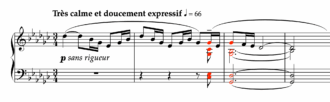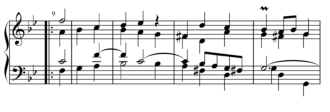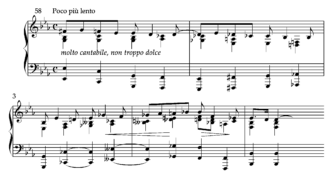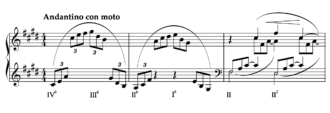
This book is Schoenberg’s last completed theoretical work and represents his final thoughts on the subject of classical and romantic harmony. Schoenberg’s argument is supported by music examples, which range from entire development sections of classical symphonies to analyses of the experimental harmonic progressions of Strauss, Debussy, Reger and Schoenberg’s own early music.
Formal and Harmonic Coherence in Franz Liszt’s Ballade No. 2 in B Minor
Source(s) of analysis: Score Musical work: Ballade No. 2 in B minor S.171 Year of creation: 1853 Composer's name: Franz Liszt Methods of analysis: Conventional / Traditional analysis, Formal analysis, Other, Structural analysis
Target Group / Study LevelLevel of music analysis knowledge: Advanced, Intermediate
Study cycle: Bachelor, Master, PhD and professional
Read more