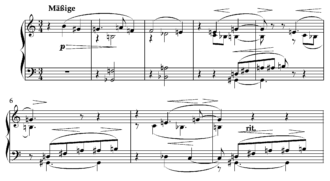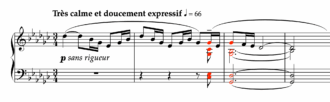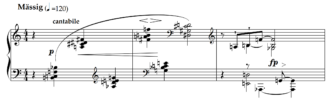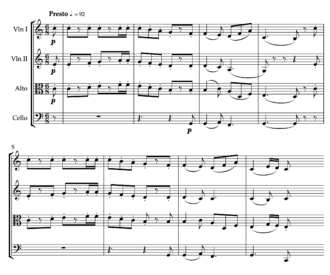
The Guide to Music Analysis by Nicholas Cook, reissued many times in English-speaking countries, presents key information on analytical methods that were classic for the 20th century and is the first comprehensive approach of this type in Poland. After briefly presenting the so-called « traditional » methods of analyzing form and harmony, which are a reference point for comparisons, the author discussed, in a theoretical and critical manner, as well as on specific examples, all the most important analytical methods of the second half of the 20th century, i.e. the Schenkerian method, psychological approaches by Leonard B. Meyer and Rudolf Reti, techniques of formal analysis (theoretical analysis of sound groups by Allen Forte, semiotic analysis by Jean-Jacques Nattiez and others), various techniques of comparative analysis. These methods, as well as their modified elements, constitute an indispensable component of the Western analytical tradition.
Rhetorical Strategies in Renaissance Sacred Polyphony: Three Examples for the Undergraduate Music Classroom
Source(s) of analysis: Score Musical work: Circumdederunt me, Lamentations of Jeremiah, Super flumina Babilonis Year of creation: 16th century Composer's name: Cristóbal de Morales, Giovanni Pierluigi da Palestrina, Tomás Luis de Victoria Methods of analysis: Rhetoric analysis, Style analysis
Target Group / Study LevelLevel of music analysis knowledge: Beginner, Intermediate
Study cycle: Bachelor
Read more