A study of the styles of Haydn, Mozart, and Beethoven, with particular reference to Haydn’s string quartets and symphonies and Mozart’s concertos, string quintets, and comic operas. The section devoted to Haydn’s development after the death of Mozart considers the integration of popular elements into his symphonies and oratorios, his piano trios, and his church music. Beethoven’s achievement is viewed in terms of key works in a number of genres; his relationship to musical Romanticism is discussed. The origins of the Classic style, various theories of sonata form, and coherence in the musical language are also considered.
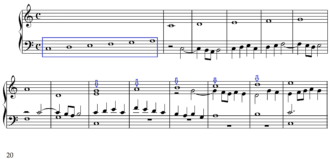
Mattheson’s Concept of Klangrede in Two Fugues by Bach and Mozart
Source(s) of analysis: Score Musical work: Fugue in D major BWV 873 / The Well-Tempered Clavier (vol. 2), Kyrie / Requiem in D minor K. 626 Year of creation: 1739–42, 1791 Composer's name: Johann Sebastian Bach, Wolfgang Amadeus Mozart Methods of analysis: Formal analysis, Rhetoric analysis, Style analysis
Target Group / Study LevelLevel of music analysis knowledge: Intermediate
Study cycle: Bachelor, Master
Read more