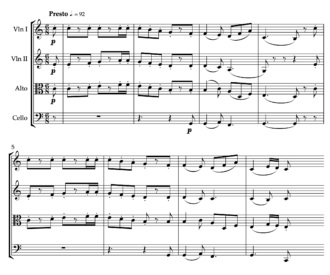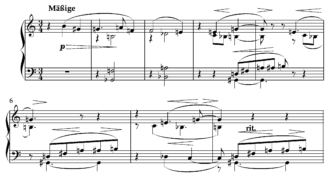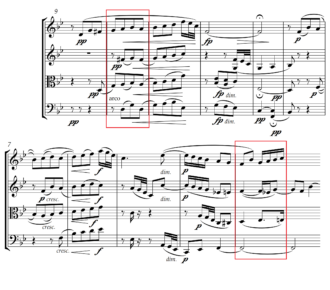
Elements of Sonata Theory is a comprehensive, richly detailed rethinking of the basic principles of sonata form in the decades around 1800. This foundational study draws upon the joint strengths of current music history and music theory to outline a new, up-to-date paradigm for understanding the compositional choices found in the instrumental works of Haydn, Mozart, Beethoven, and their contemporaries: sonatas, chamber music, symphonies, overtures, and concertos. In so doing, it also lays out the indispensable groundwork for anyone wishing to confront the later adaptations and deformations of these basic structures in the nineteenth and earlier twentieth centuries.
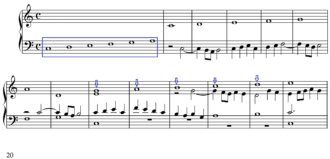
Neoclassical Passacaglia in the Concerto for Orchestra by Witold Lustosławski
Source(s) of analysis: Score Musical work: Concerto for Orchestra Year of creation: 1950-1954 Composer's name: Witold Lutosławski Methods of analysis: Conventional / Traditional analysis
Target Group / Study LevelLevel of music analysis knowledge: Advanced, Beginner, Intermediate
Study cycle: Bachelor
Read more