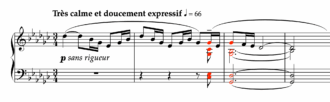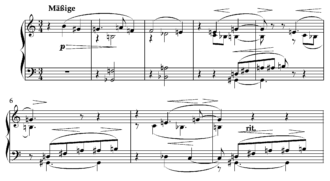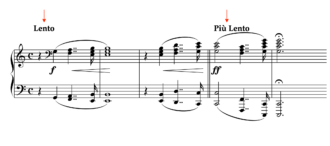
This article presents an analysis of Isaac Albéniz’s Evocación, highlighting its significant utility for explaining aspects of early twentieth-century non-avant-garde musical thought — with varying pedagogical depths, from pre-academic and bachelor-level students to master’s degree students. As an exceptional example of Albéniz’s synthesis of traditional Spanish folk elements with the Western academic tradition, the transparent structures of the Evocación render it an excellent classroom tool. The aim is to harmonise the musical analysis with its pedagogical application, ensuring readability while emphasising its value as a teaching resource for fundamental non-avant-garde musical languages.
Structural Functions of Harmony
Structural Functions of Harmony
This book is Schoenberg’s last completed theoretical work and represents his final thoughts on the subject of classical and romantic…
Harmony
Used by: Liszt Ferenc Zenemuveszeti Egyetem (HUNGARY)
Read more