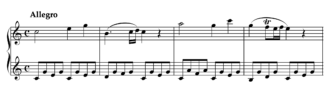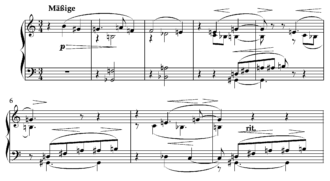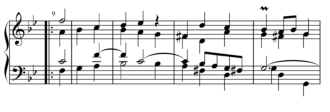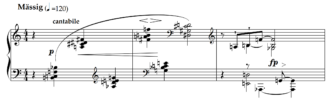
This analytical study of the 3rd movement (Allegro) from Beethoven’s Piano Sonata op. 13 focuses on the rondo-sonata as a hybrid musical form. The purpose of the analysis is to identify the defining features of each of these forms and describe their coexistence. The principles of analysis and the method of presenting conclusions are based on the methodological approach proposed by the author in his teaching and outlined in his textbook for instructing students of various specializations (instrumentalists, conductors, composers, music theorists, etc.) in the analysis of musical works. The article contains general characteristics of the rondo-sonata form with the formal scheme, analysis of the first presentation of the refrain, comparative analysis of subsequent presentations of the refrain, non-compulsory components of the form, transitions, and internal coherence of the form.
Formy muzyczne
Musical Forms
The new completed and expanded edition of the manual for students which allows gaining knowledge about the concept of musical…
Music Analysis
Used by: Akademia Muzyczna im. Stanisława Moniuszki (POLAND)
Read more